Healthy oceans depend on biodiversity, and sustainable fishing is essential to protecting it.
What is biodiversity?
Biodiversity refers to both the variety and the abundance of life on our planet. It includes all the different animals, plants and micro-organisms living on Earth and in the ocean, from tiny ants to giant whales.
Why is marine biodiversity important?
Without biodiversity, the natural processes that support life cease to work. Life on land depends on life in the ocean, which supplies around half the oxygen we breathe and absorbs much of the planet’s carbon dioxide. It also provides millions of us with food and livelihoods.
The more biodiversity becomes depleted, the less nature can provide the food, economic and cultural benefits it currently provides to humanity.The link between fishing and biodiversity
Marine fisheries and ocean biodiversity are inseparable. Overfishing is one of the biggest threats to this biodiversity, but sustainable fisheries management can reverse this trend.
Around 37.6% of the world’s fish stocks are currently overfished.
Overfishing impacts not only the fish that are targeted for food but also other marine life that interacts with fishing vessels. Oceanic shark and ray species have declined by 71% since the 1970s, with overfishing the primary cause of decline.
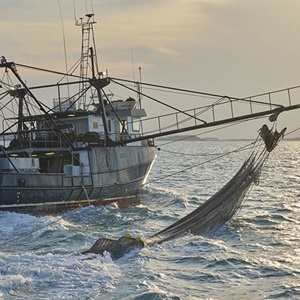
Bycatch – or unwanted catch – is one of the leading threats to marine biodiversity. It is estimated that 9.1 million tonnes (around 10% of annual catches) are discarded by commercial fisheries each year.
What is being done to protect marine biodiversity?
Governments, scientists and NGOs are increasingly recognising that sustainable fishing can help counter biodiversity loss. The Kunming-Montreal Global Biodiversity Framework (GBF), which most countries have agreed upon, includes specific targets related to the sustainable use of fisheries.
Every country signed up to the GBF is required to produce National Biodiversity Strategies and Action Plans (NBSAPs), which will demonstrate how they will deliver on the targets.
In 2026, the MSC and the World Resources Institute (WRI) worked together to analyse how fisheries are represented in these NBSAPs.
The findings show that sustainable fisheries are universally recognised by coastal countries in their plans. However, analysis also reveals that many governments need to make stronger commitments, with measurable targets and clear delivery plans. Just
1 in 8 is backed up by a way to measure progress and a clear policy plan for delivery.
Coastal NBSAPs
100%
include a fisheries commitment
60%
include a measurable target or deadline
27%
refer to a policy or governance mechanism
13%
do both
How does the MSC Program help protect marine biodiversity?
The MSC program incentivises fishing practices that keep target stocks healthy, manage fisheries effectively and minimise impacts on habitats and other species. The MSC Fisheries Standard assesses a fishery’s effect on the wider ecosystem and can require certified fisheries to make improvements.
From 2022 to 2025, certification conditions led to 675 improvements, including 83 benefiting ecosystems and habitats and 262 benefiting endangered, threatened and protected species or reducing bycatch.
Data on fish catch that is certified to the Standard and the number of MSC Chain of Custody (supply chain certification) holders by country, are official indicators for two of the GBF’s 23 targets. One target relates to the sustainable management and trade of wild species and the second relates to the integration of biodiversity values into economies. These indicators can be used by governments to measure progress against those targets.
Our Fisheries Standard is also reviewed and updated regularly, in line with global best practices, policies and science. Our analysis shows that the average scores of fisheries significantly improve as they stay in the program. This shows that fisheries which remain in the MSC program actively improve their practices to reduce their impact on biodiversity.
How Sustainable Fishing Protects Ocean Biodiversity
How can seafood consumers help support marine biodiversity?
By using the blue MSC label, brands, retailers, chefs are rewarding responsible fishing operations and incentivising others to improve. When you choose to eat sustainably certified, wild-caught MSC labelled seafood, you are helping to support a healthier, more resilient and productive ocean.
There are thousands of MSC labelled products sold by retailers and restaurants around the world, making it easy to find sustainably sourced seafood. Look out for the ASC (Aqua Stewardship Council) label on farmed fish.
Read our 2025 report